
Why More People Are Looking Beyond Traditional Psychiatry

Mental health care is evolving.
For years, psychiatric treatment has often followed a familiar pattern: symptoms appear, a diagnosis is made, medication is prescribed, and follow-up visits monitor progress. While this approach can be helpful for many people, it doesn’t always address the full picture of someone’s mental health.
That’s why more individuals are beginning to explore integrative psychiatry—a model of care that blends traditional psychiatric treatment with a deeper, more personalized understanding of each patient’s life and health.
At Philadelphia Integrative Psychiatry, the goal isn’t simply to reduce symptoms. It’s to help patients understand what’s contributing to their struggles and build a treatment plan that supports lasting mental wellness.
Looking at the Big Picture in Mental Health Care
Our integrative approach to psychiatry allows us to look at the big picture together.
Mental health doesn’t exist in isolation, which is why we consider every aspect of your life when developing a treatment plan. That includes:
👤 Your personal history
🩺 Your physical health needs
🌱 Your mental health goals
By understanding the full context of your life, we can create a treatment plan designed to support every aspect of your needs—not just the symptoms you’re experiencing today.
This collaborative approach allows patients to feel more involved in their care and more confident in the direction their treatment is taking.
Mental Health Is Influenced by More Than Brain Chemistry
Integrative psychiatry recognizes that mental health can be influenced by many different factors, including:
- Sleep quality
- Stress and life transitions
- Nutrition and physical health
- Trauma history
- Lifestyle habits
- Brain network activity
Rather than assuming a single solution will work for everyone, this approach allows providers to build highly individualized care plans.
For some patients, medication plays an important role. For others, innovative treatments or lifestyle changes can make a meaningful difference.
Often, the most effective care combines several approaches.
When Traditional Treatments Aren’t Enough: Exploring TMS Therapy in Philadelphia
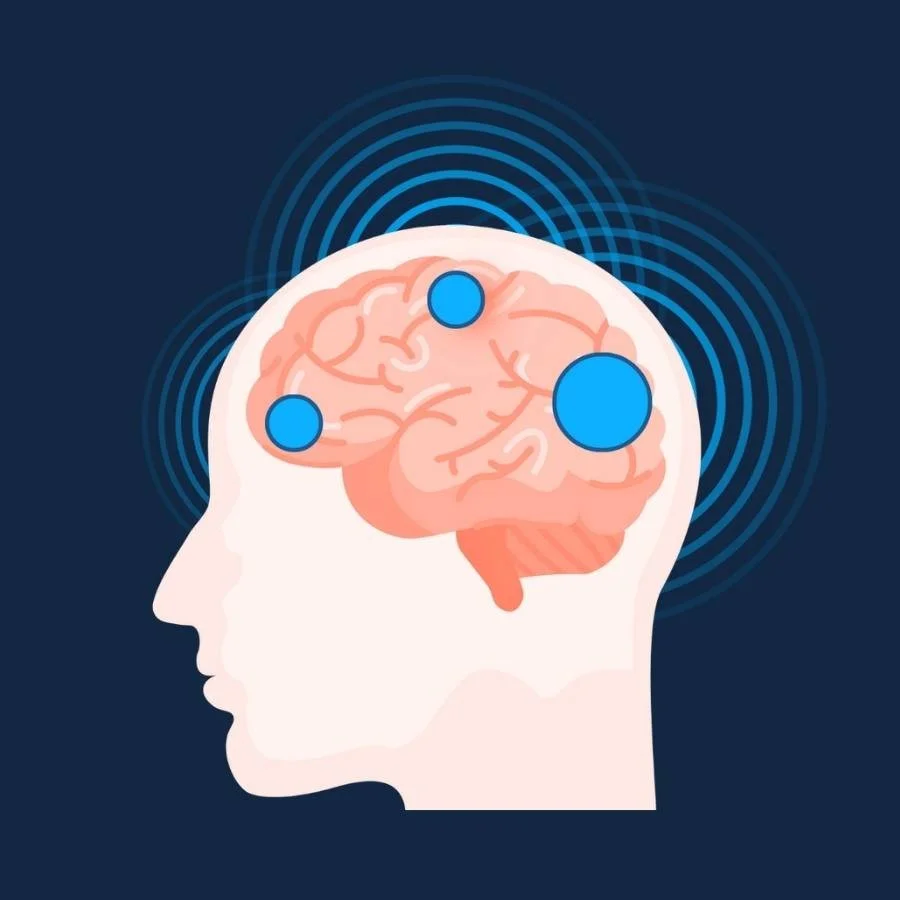
Many individuals seek integrative psychiatric care after feeling stuck in a cycle of trying different medications without experiencing significant relief. Advances in neuroscience are providing new options for patients facing these challenges.
One example is Transcranial Magnetic Stimulation (TMS), a non-invasive treatment that uses targeted magnetic pulses to stimulate areas of the brain involved in mood regulation. TMS has helped many individuals experiencing persistent depression find relief when other approaches haven’t worked.
For individuals with depression that hasn’t responded to medication, TMS therapy in Philadelphia has helped many patients find relief when other approaches haven’t worked. Because it doesn’t involve systemic medication, many patients appreciate that TMS can offer another path forward without additional medication side effects.
A Different Kind of Psychiatric Experience
One of the most common things patients notice about integrative psychiatric care is the time and attention given to understanding their story. Appointments focus on more than symptom checklists. They explore:
• what daily life looks like for you
• how symptoms impact your relationships and work
• what treatments you’ve tried before
• what your goals for mental wellness truly are
Mental health care should feel collaborative—not rushed.
Mental Health Care Done Differently
When treatment combines modern neuroscience, thoughtful psychiatric care, and a whole-person perspective, the results can be transformative.
At Philadelphia Integrative Psychiatry, the mission is simple:
Provide care that is personalized, innovative, and focused on helping patients move toward a more balanced and fulfilling life.
Get started by completing the form below so our team can connect with you and discuss the next steps.
Back to Blog
Disclaimer: This guide is for informational purposes only and not a substitute for medical advice. Any treatment—whether a supplement, medication, procedure, injection, therapy, or device—carries potential risks, especially when used in excess or by individuals with certain medical conditions or genetic predispositions. Always consult a qualified healthcare provider before starting any treatment.