
Treatment-resistant depression
Care for depression that hasn’t improved enough after previous treatment, starting with a careful look at your history and including advanced and interventional treatments when appropriate.
If you’ve tried more than one treatment for depression without enough relief, there are still options to consider.
At Philadelphia Integrative Psychiatry, what hasn’t worked is clinical information. We review your full treatment history, look for what may have been missed, and consider what comes next, from adjusting your current plan to advanced and interventional treatments.
Understanding treatment-resistant depression
A next step, not a dead end
Treatment-resistant depression (TRD) usually describes major depressive disorder that hasn’t improved enough after two or more antidepressant trials at an adequate dose and for an adequate length of time.
It’s more common than many people realize. Many people with major depression don’t get enough relief from their first or second medication, and some see partial improvement but still don’t feel like themselves.
TRD describes how depression has responded to treatment so far. It isn’t a separate diagnosis, and it signals that the next step deserves a closer look.
Signs it may be time for a closer look
What treatment-resistant depression can look like
Everyone’s history is different, but people exploring next steps often describe:
-
Two or more medications tried
You’ve tried at least two antidepressants without enough improvement.
-
Partial improvement
Some symptoms have eased, but you still don’t feel like yourself.
-
Side effects got in the way
Side effects made it hard to stay on a medication long enough to know whether it worked.
-
Symptoms keep returning
Depression improves for a while, then comes back.
Only a clinician can determine whether depression is treatment-resistant. A psychiatric evaluation can help clarify your history and options.
Our approach to treatment-resistant depression
We start with what you’ve already tried.
Before recommending something new, we look at why past treatment may not have helped enough.
Review your history
We look at which medications you’ve tried, at what doses and for how long, how you responded, and any side effects.
Sleep, physical health conditions, other medications, and the original diagnosis can all affect how depression responds to treatment.
Choose the next step
Based on what your history shows, options may include adjusting medication, adding therapy, or advanced and interventional treatments.
Treatment options
Options when standard depression treatment hasn’t been enough
Different forms of depression may require different approaches. Depending on your symptoms, history, and response to previous treatment, care may include therapy, medication, or specialized interventions. Eligibility for each option depends on your diagnosis, treatment history, and current symptoms. Your provider will walk through whether an option fits your situation.
You can keep seeing your psychiatrist or other provider while you’re evaluated and treated here. With your permission, they stay involved throughout.
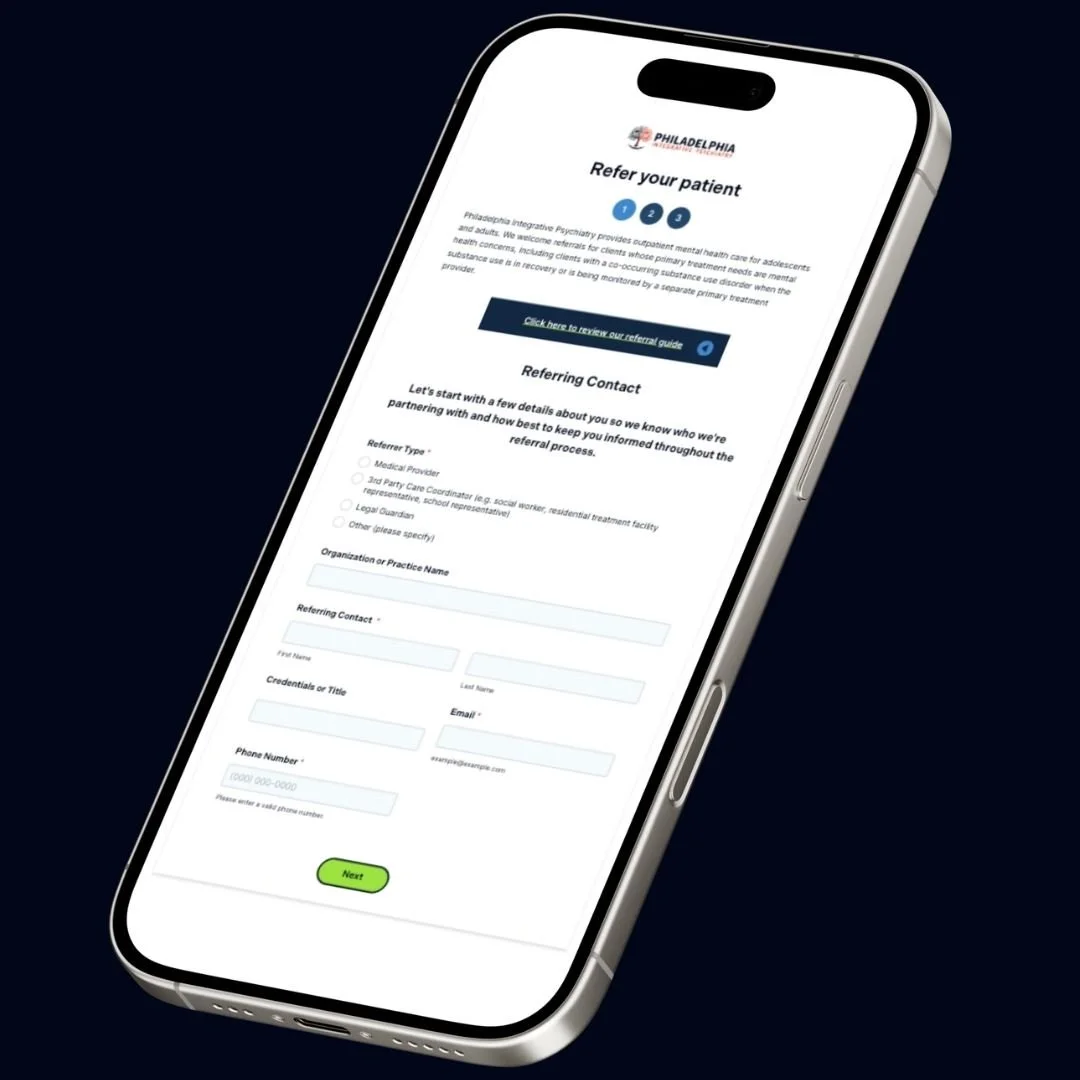
Referring providers can submit our referral request form, which goes directly to our intake team who coordinates the evaluation and collaborates with you throughout treatment.
Clinicians experienced with treatment-resistant depression
Our team includes psychiatrists, nurse practitioners, therapists, and interventional treatment specialists who work with depression, including cases that have not responded adequately to previous treatments.



























Not sure where to start?
Whether you're seeking treatment for the first time or exploring additional options after previous treatments haven't provided enough improvement, our team can help you determine where to begin.
If you’re having thoughts of suicide or are in crisis, call or text 988 to reach the Suicide & Crisis Lifeline, or call 911. Our office line and online forms are not for emergencies.
Our insights on treatment-resistant depression
Perspectives from our clinical team on treatment-resistant depression, medication strategies, and advanced treatment options.